项目类型:独立研究系列 · 七讲
语种:中文为主,关键讲稿配英文投稿版
状态:第一至三讲已完成可读版本;第四至七讲规划中
摘要
本项目尝试在汉传佛教的认识论框架内观照当代人工智能。具体而言,把唯识学(玄奘所传有相唯识)的三性、四分、八识与转识成智,中观学(龙树、鸠摩罗什译)的二谛与即非句法,以及陈那—商羯罗主一系的因明,作为分析工具,对照当代大模型在"幻觉"、"身份"、"认知架构"、"种子熏习"、"对齐"五个层面的技术现象。
项目的判教定位是:AI 是被观察对象,佛学是观察方法;不主张佛教能"拯救"或"解释"AI,也不把 AI 视为佛学传统的当代延续。所有跨语境的对应都以形式类比的方式标注,不主张范畴同一。
已完成讲稿
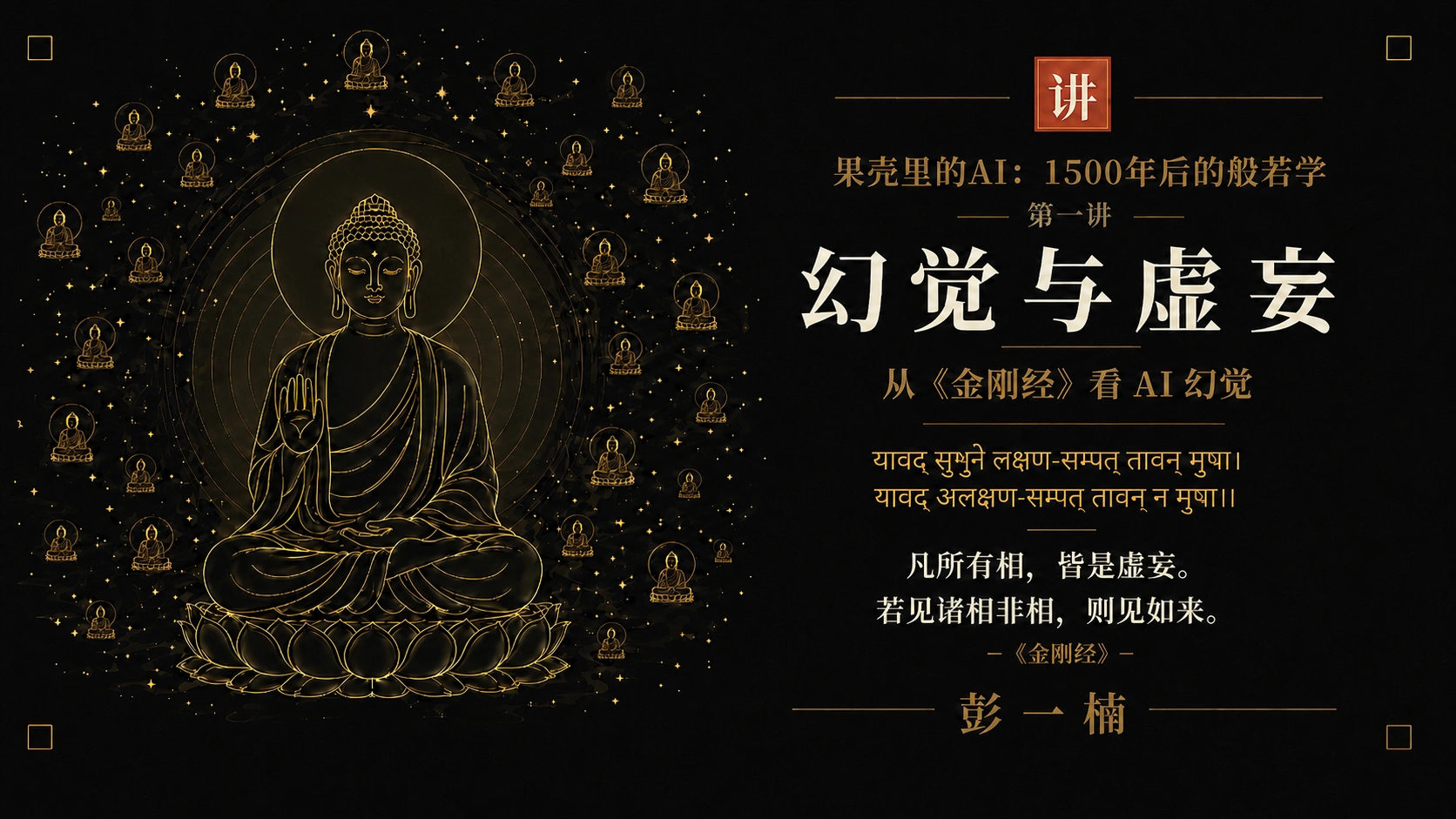
第一讲 · 幻觉与虚妄。论"hallucination"译为"幻觉"是范畴错误,应区分错乱 / 虚妄两套词,以三性、四分、转识成智的维度看待大模型输出层失误。
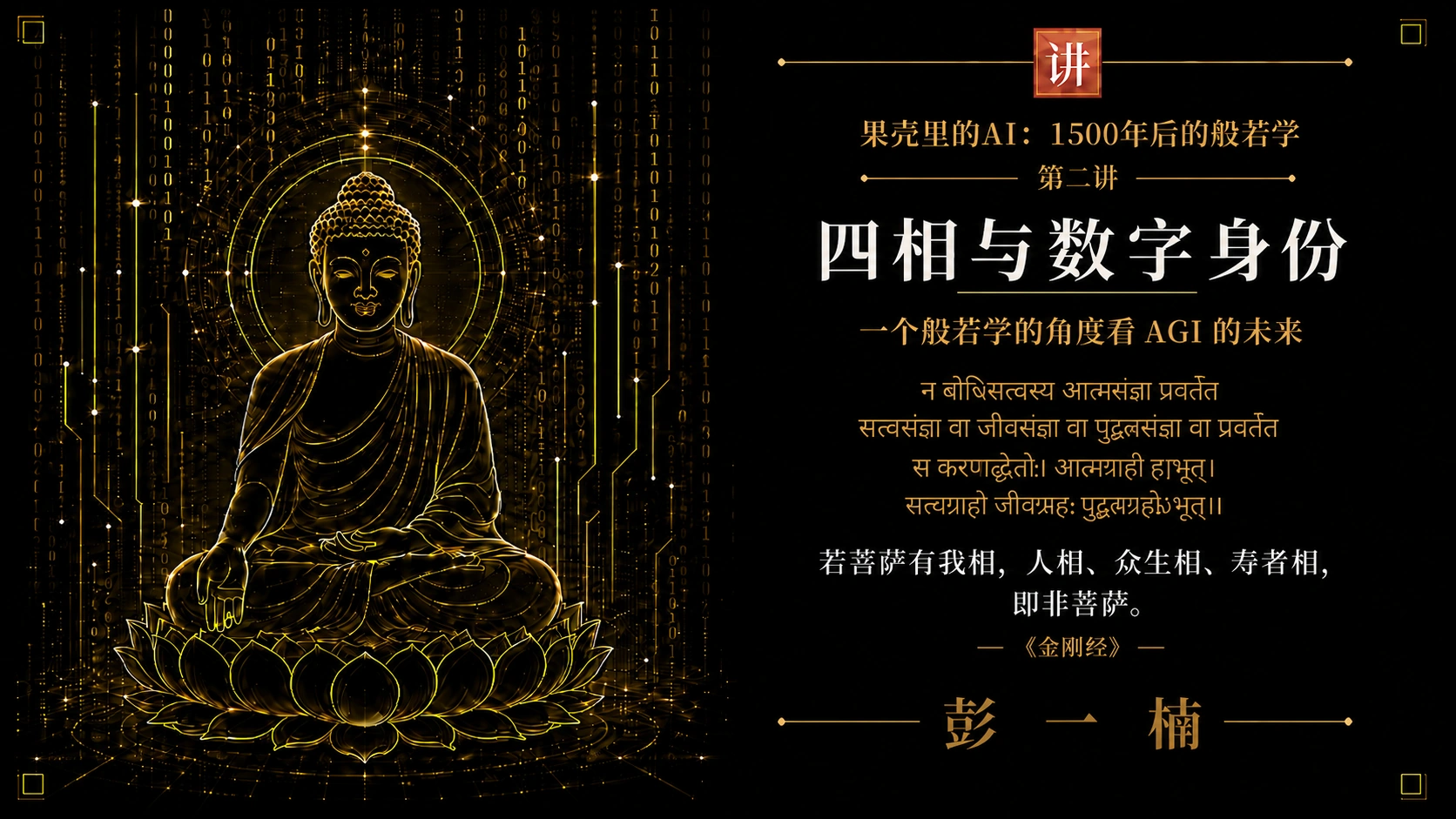
第二讲 · 佛教四相与数字身份(英文投稿版〈AGI Is Not a Person〉)。以《金刚经》四相对应 AI 系统正在硬化的四层数字身份,论 AI 治理不必等待"人格"问题。
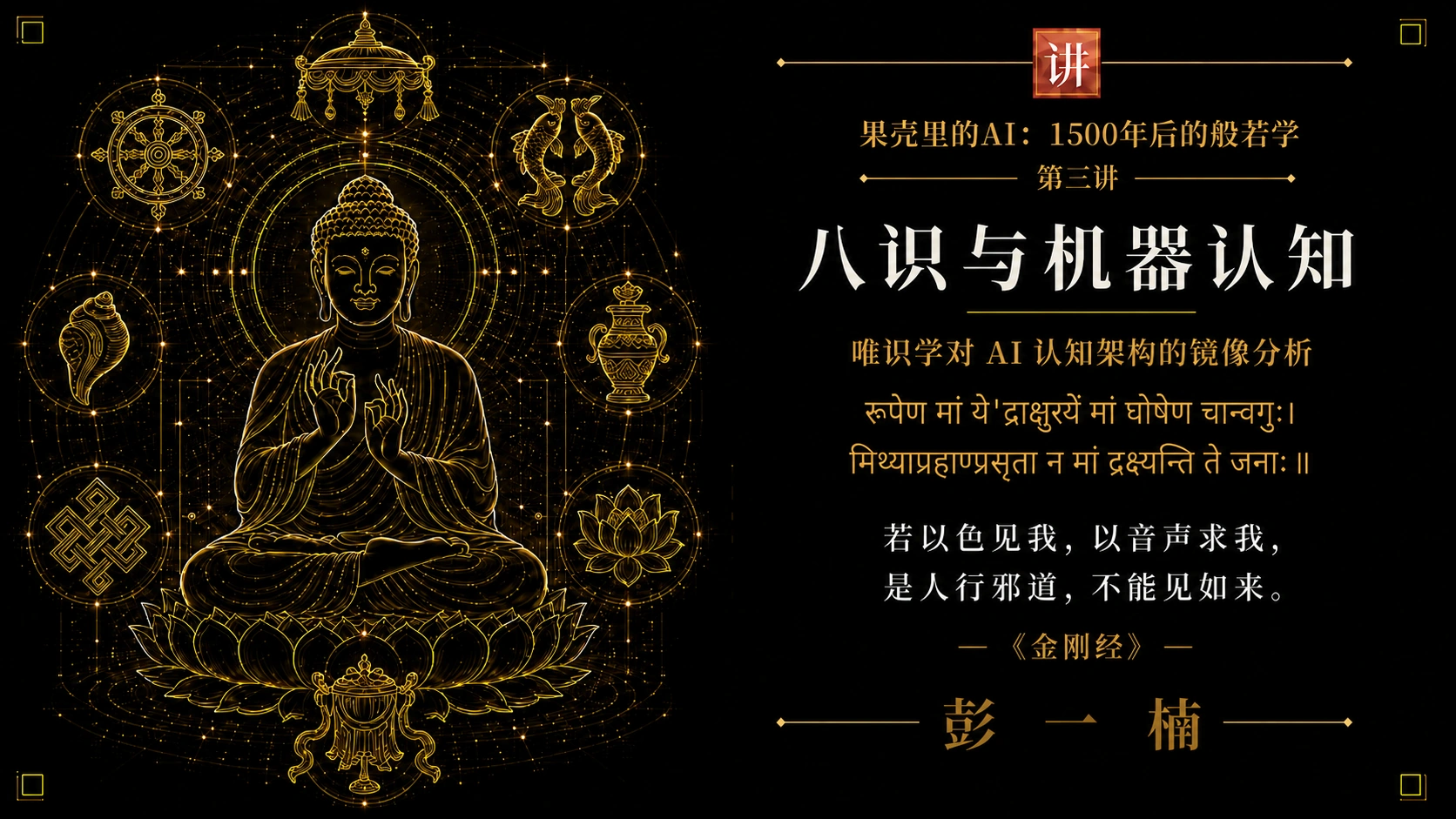
第三讲 · 佛教八识与机器认知。以八识层级为坐标,对当代 AI 三条研究路径(规模派、世界模型派、认知架构派)做位置标定。
專案型別:獨立研究系列 · 七講
語種:中文為主,關鍵講稿配英文投稿版
狀態:第一至三講已完成可讀版本;第四至七講規劃中
摘要
本專案嘗試在漢傳佛教的認識論框架內觀照當代人工智慧。具體而言,把唯識學(玄奘所傳有相唯識)的三性、四分、八識與轉識成智,中觀學(龍樹、鳩摩羅什譯)的二諦與即非句法,以及陳那—商羯羅主一系的因明,作為分析工具,對照當代大模型在"幻覺"、"身份"、"認知架構"、"種子熏習"、"對齊"五個層面的技術現象。
專案的判教定位是:AI 是被觀察對象,佛學是觀察方法;不主張佛教能"拯救"或"解釋"AI,也不把 AI 視為佛學傳統的當代延續。所有跨語境的對應都以形式類比的方式標註,不主張範疇同一。
已完成講稿
第一講 · 幻覺與虛妄。論"hallucination"譯為"幻覺"是範疇錯誤,應區分錯亂 / 虛妄兩套詞,以三性、四分、轉識成智的維度看待大模型輸出層失誤。
第二講 · 佛教四相與數字身份(英文投稿版〈AGI Is Not a Person〉)。以《金剛經》四相對應 AI 系統正在硬化的四層數字身份,論 AI 治理不必等待"人格"問題。
第三講 · 佛教八識與機器認知。以八識層級為座標,對當代 AI 三條研究路徑(規模派、世界模型派、認知架構派)做位置標定。
Type: Independent research series · seven lectures
Languages: Primarily Chinese, with English versions of key lectures
Status: Lectures I–III have readable versions; IV–VII in planning
Abstract
This project inquires into contemporary artificial intelligence through the epistemology of Chinese Buddhism. Specifically, it deploys the analytical apparatus of Yogācāra in Xuanzang's transmission (the three natures, four divisions, eight consciousnesses, and the transformation of consciousness into wisdom), Madhyamaka in Nāgārjuna and Kumārajīva (the two truths and the na ... iti form), and the Buddhist logic of Dignāga and Śaṅkarasvāmin, as instruments for reading five domains of contemporary large-model technology: hallucination, identity, cognitive architecture, seed conditioning, and alignment.
The project's doctrinal stance is straightforward: AI is the object of inquiry, Buddhism the analytical lens. The author makes no claim that Buddhism can "save" or "explain" AI, nor that AI is a continuation of any Buddhist tradition. All cross-context correspondences are flagged as formal analogies; no claim of categorial identity is made.
Completed lectures
Lecture I · Hallucination and Delusion. Argues that translating "hallucination" as illusion is a category error, distinguishes perceptual disorder from vikalpa, and reads large-model output errors through the three natures, four divisions, and the transformation of consciousness into wisdom.
Lecture II · The Four Marks and Digital Identity (English version under submission: AGI Is Not a Person). Maps the four marks of the Diamond Sutra onto four layers where AI digital identity is hardening, arguing that AI governance need not wait for the personhood question.
Lecture III · The Eight Consciousnesses and Machine Cognition. Uses the eight-consciousness hierarchy as a coordinate system to locate the three contemporary AI research traditions: scale, world models, and cognitive architectures.